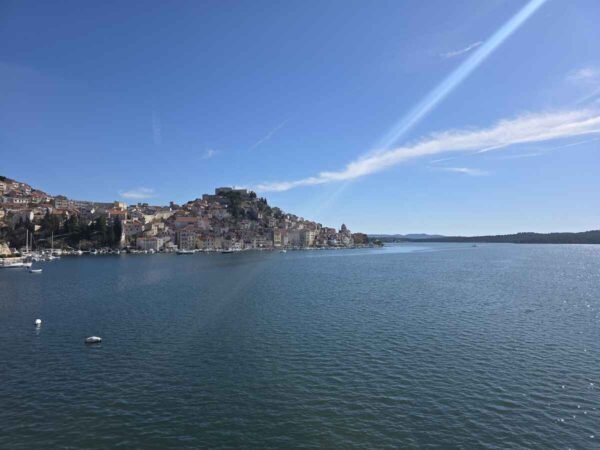
In Dalmatia, the olive harvest is much more than seasonal work. It is a family tradition that brings generations together and marks one of the most important times of the year.
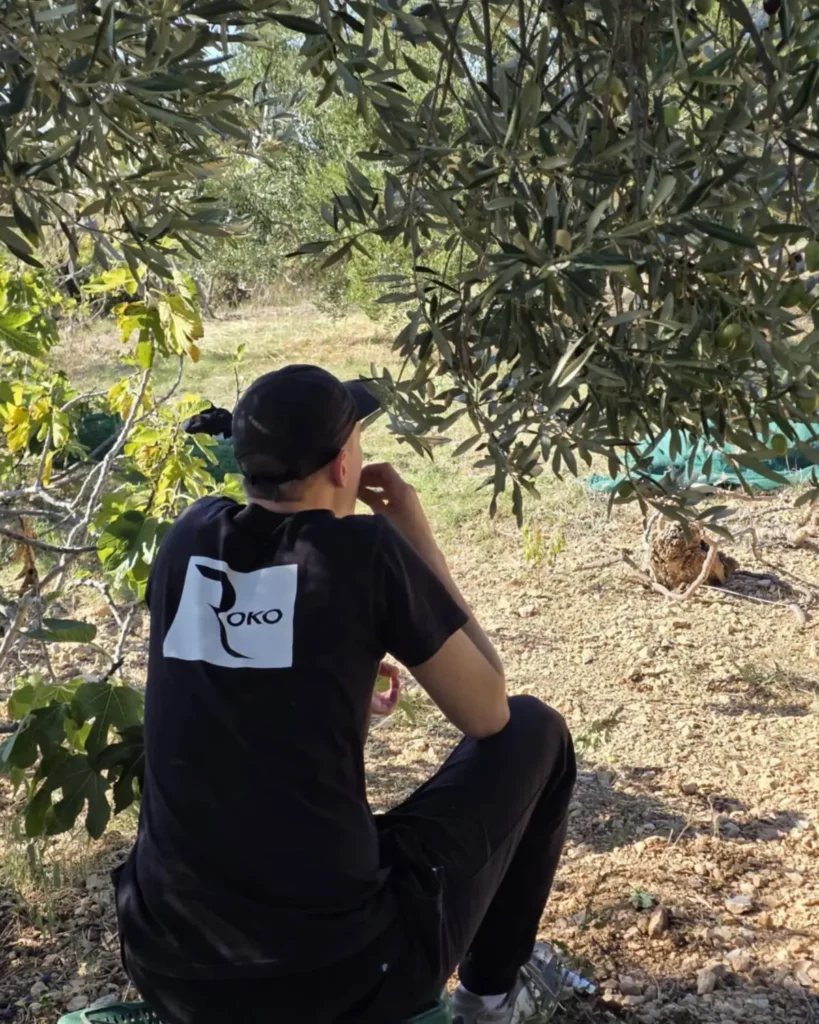
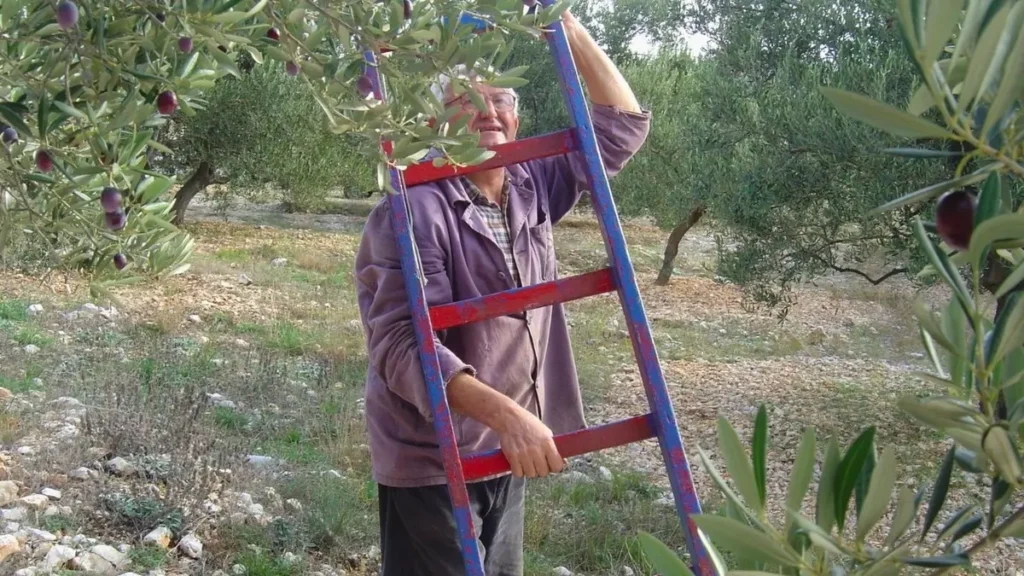
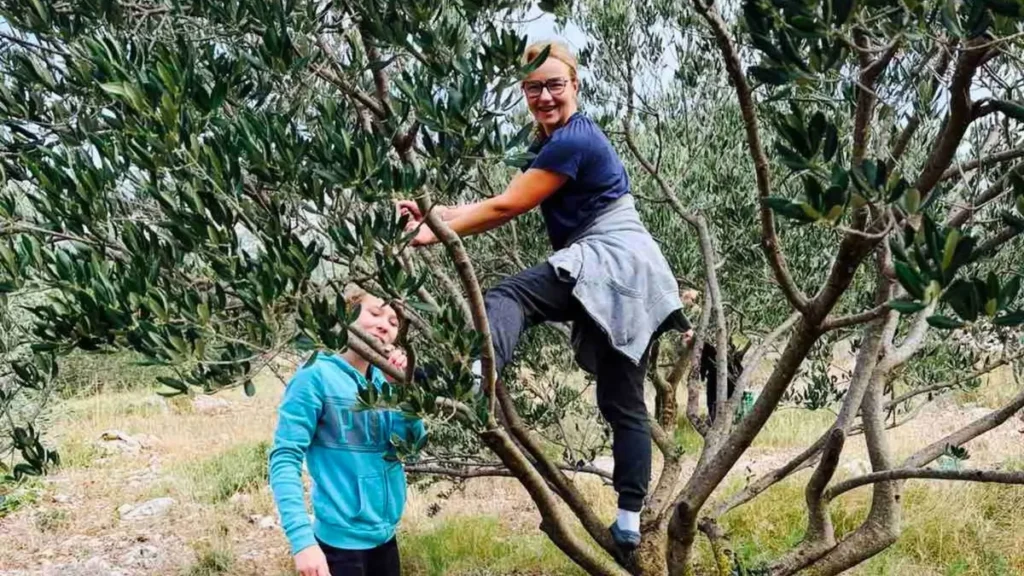
Each autumn, olive groves become places of activity, conversation, and shared effort. Families gather to harvest olives by hand, carefully picking the fruit and preparing it for pressing. It is a process that requires time and patience, but also one that keeps tradition alive.
A Tradition Passed Through Generations
Olive trees have been part of Dalmatian life for centuries. Many groves have been passed down through families, making the harvest not only a practical task, but also a connection to previous generations.
Everyone has a role during harvest season. Some collect olives from the branches, others sort the fruit, prepare the crates, or help transport everything to the mill. It is often a long day, but also one filled with conversation, laughter, and a strong sense of togetherness.
More Than Work
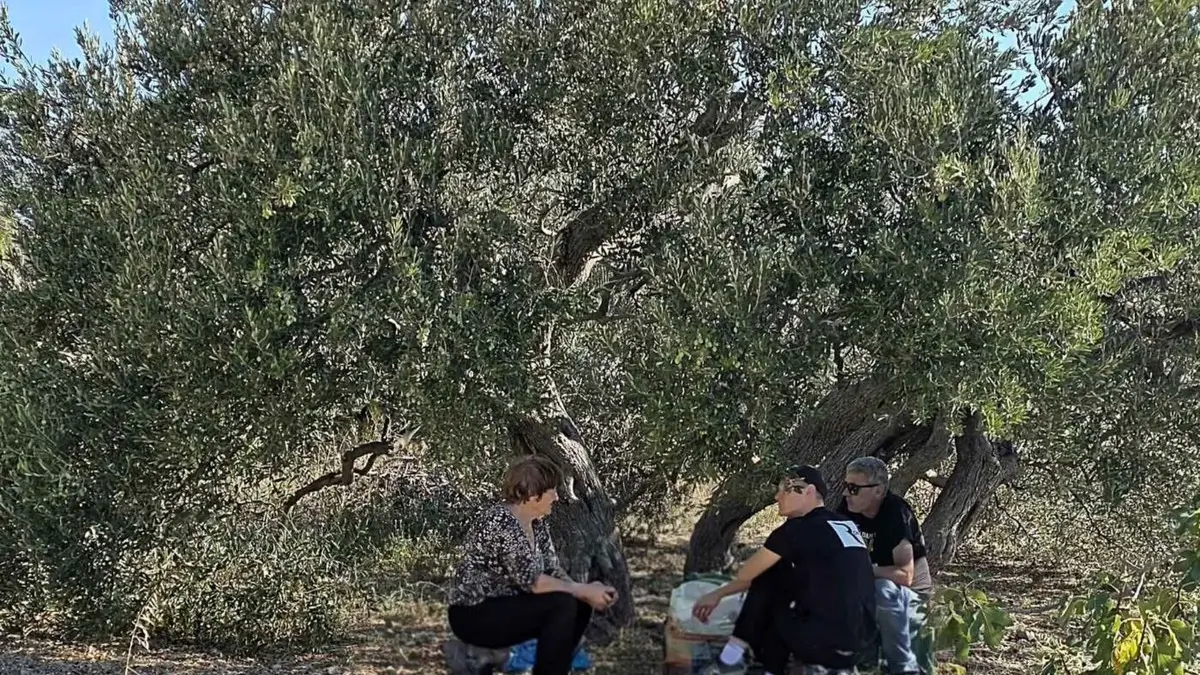
Harvest days are rarely only about work.
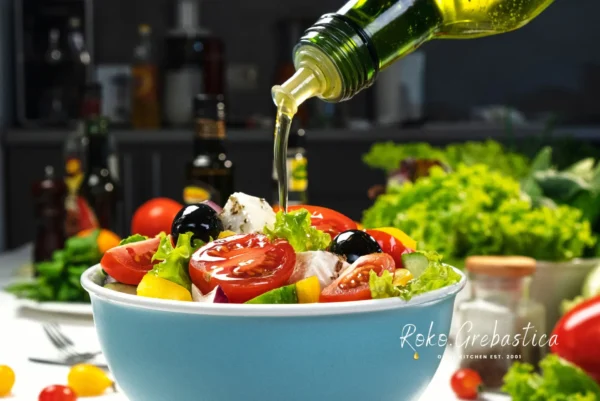
After hours spent in the grove, families usually gather around the table to share a simple meal — bread, cheese, local wine, and olive oil from the previous season. These moments are just as important as the harvest itself.
Challenges of the Harvest Season
Olive growing in Dalmatia is not always easy. Weather conditions, drought, strong winds, and changing temperatures can all affect the quality and quantity of the harvest.
Despite this, families continue to care for their olive groves year after year. Their dedication is what keeps this tradition alive.
A Story in Every Bottle
Every bottle of extra virgin olive oil begins with the harvest.
Behind each drop is a story of work, patience, family, and respect for the land. That is what makes Dalmatian olive oil so special — it is not only a product, but part of a way of life.